A key quality indicator of high-quality omega-3 oils is their degree of freshness. Due to their structure, omega-3 fatty acids are naturally extremely reactive and susceptible to oxidative processes (autoxidation), which can cause them to quickly become rancid. When omega-3 fatty acids oxidise, primary fatty acid peroxides are formed, which then react further or break down into secondary oxidation products, such as aldehydes (malondialdehyde, 4-hydroxyhexenal). Therefore, measurements of oxidative by-products are crucial for ensuring the quality of omega-3 products.
To measure the oxidation of omega-3 oils, three values are primarily used: peroxide value (PV), p-anisidine value, and the TOTOX value, which is calculated from the anisidine and peroxide values (TOTOX value = p-anisidine value + (2 * PV)).
The TOTOX value (TOTal OXidation) is an internationally recognised index that assesses the total oxidation value (oxidation of the fatty acids) and provides a clear overall picture of the degree of freshness of oils. The following applies: the higher the TOTOX value, the more rancid the oil. The anisidine value (AnV) is a measure of aldehyde formation during the oxidation of fats; it reveals much about how an oil was processed and stored. The peroxide value (PV) measures the current level of oxidation.
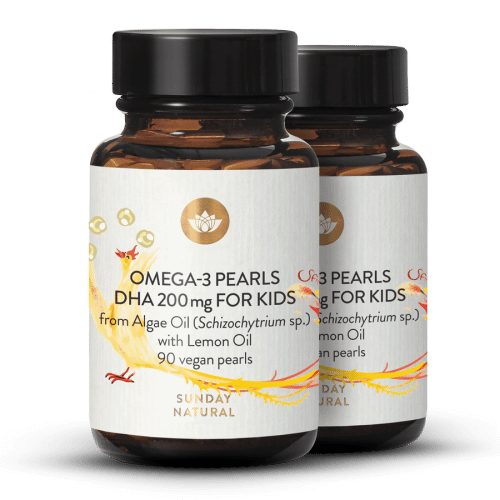
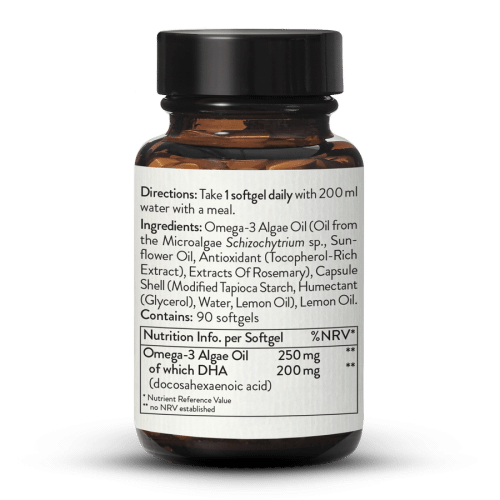
Our omega-3 products are continuously monitored for their anisidine and peroxide values, not only the manufacturer's raw material, as is common practice in the industry, but also the finished product after filling into capsules or a bottle. During production, we take the greatest possible care to ensure that any contact with oxygen is largely excluded to avoid oxidative processes. In particular, we focus on the freshness of our raw materials and the correct storage of the finished product. Long storage times are avoided.
Official bodies (IFOS, IKOS, GOED, GMBI) stipulate that the following limits must not be exceeded:
- Peroxide value (PV): maximum 5 mEq/kg
- Anisidine value (AV): maximum 20
- TOTOX value: maximum 26
Depending on the composition of a product, evaluating the TOTOX value can be analytically complex or distorted by ingredients such as lemon oil. In such cases, we rely on the measurement and disclosure of the Peroxide Value.
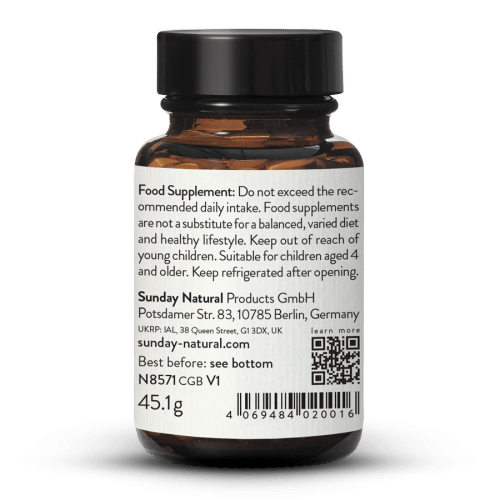
A TOTOX value exceeding 26 indicates that the omega-3 oil is rancid and should no longer be consumed. A TOTOX value below 20, or a Peroxide Value under 5, is a sign of a fresh and high-quality oil. Ideally, omega-3 products should be stored away from light at the bottom of the refrigerator. The low temperature ensures that the oxidation processes of the algae oil are significantly slowed. This applies both before and, especially, after opening the package.
Should the flavour or aroma of the algae oil deteriorate during this period, it indicates premature oxidation of the algae oil. This can be caused, for example, by contact between the dosing pipette and the mouth or tongue, or by improper storage.
Our products exhibit values significantly below the recommended limits.