
Tasting:
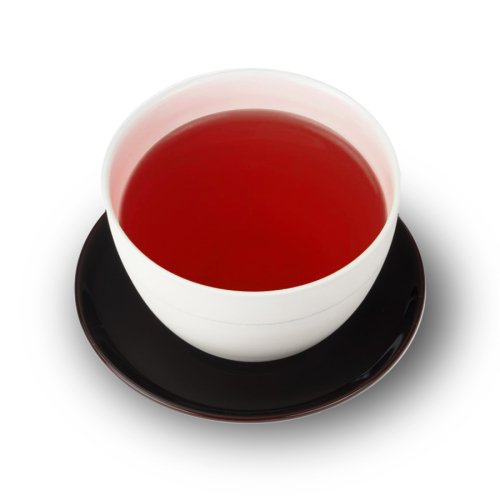
The tea presents itself very refreshing and herbaceous-spicy. The passion flower adds a touch of umami to the blend. Rounded off with rose petals for a unique herbal tea composition.



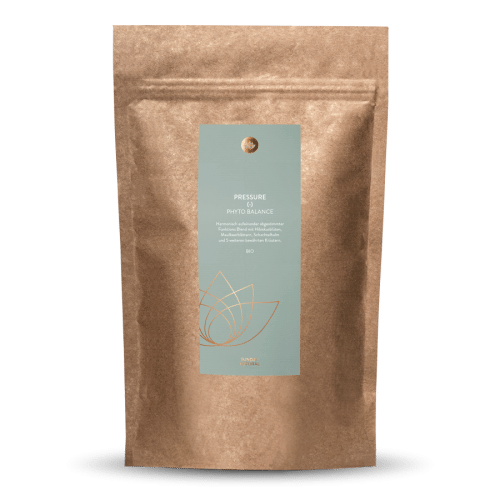
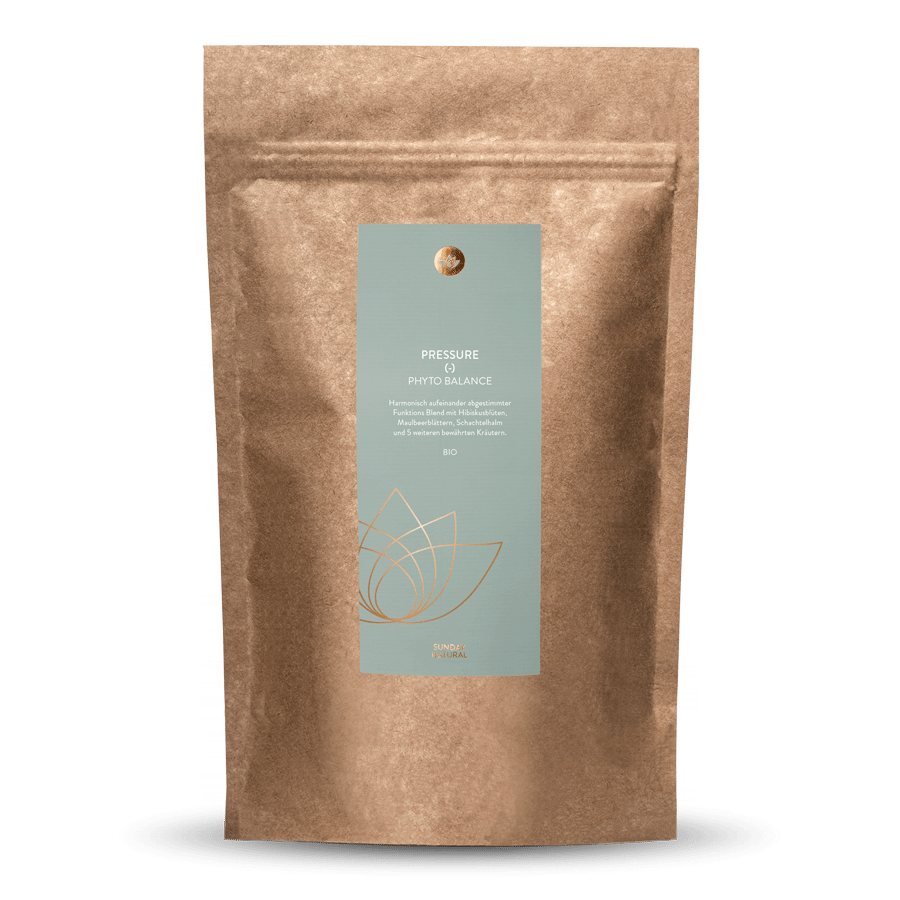
Handpicked herbs like lemon balm, hawthorn herb, horsetail and hibiscus from organic cultivation, 150g
| Character | Herbaceous-floral, sweet-fresh, tangy, regulating |
| Ingredients | Melissa*, hawthorn herb*, horsetail*, hibiscus*, nettle*, mulberry leaves*, passion flower*, rose petals* *from controlled organic cultivation |
| Tea Farm | A special selection of herbal teas of the highest organic quality, sourced directly from leading specialist farms. All ingredients are cultivated by independent farmers in picturesque landscapes, or hand-picked in the wild. |
| Cultivation | EU organic certified, cultivated without artificial fertiliser or pesticides |
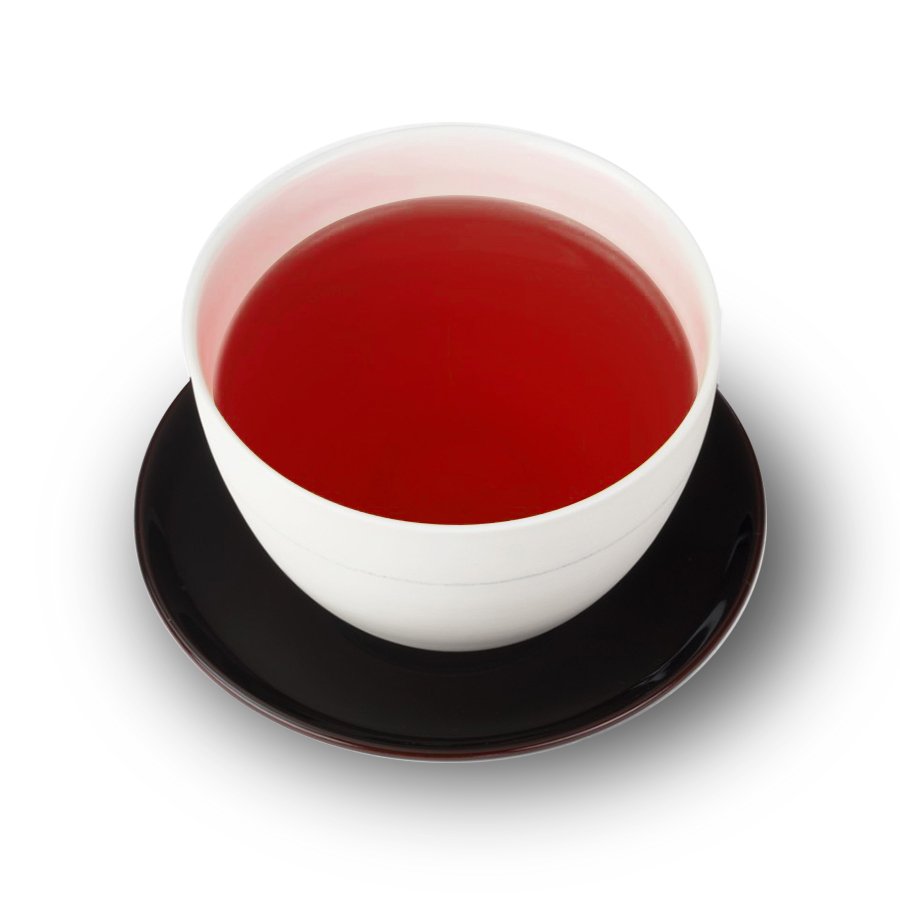
Tasting:
The tea presents itself very refreshing and herbaceous-spicy. The passion flower adds a touch of umami to the blend. Rounded off with rose petals for a unique herbal tea composition.
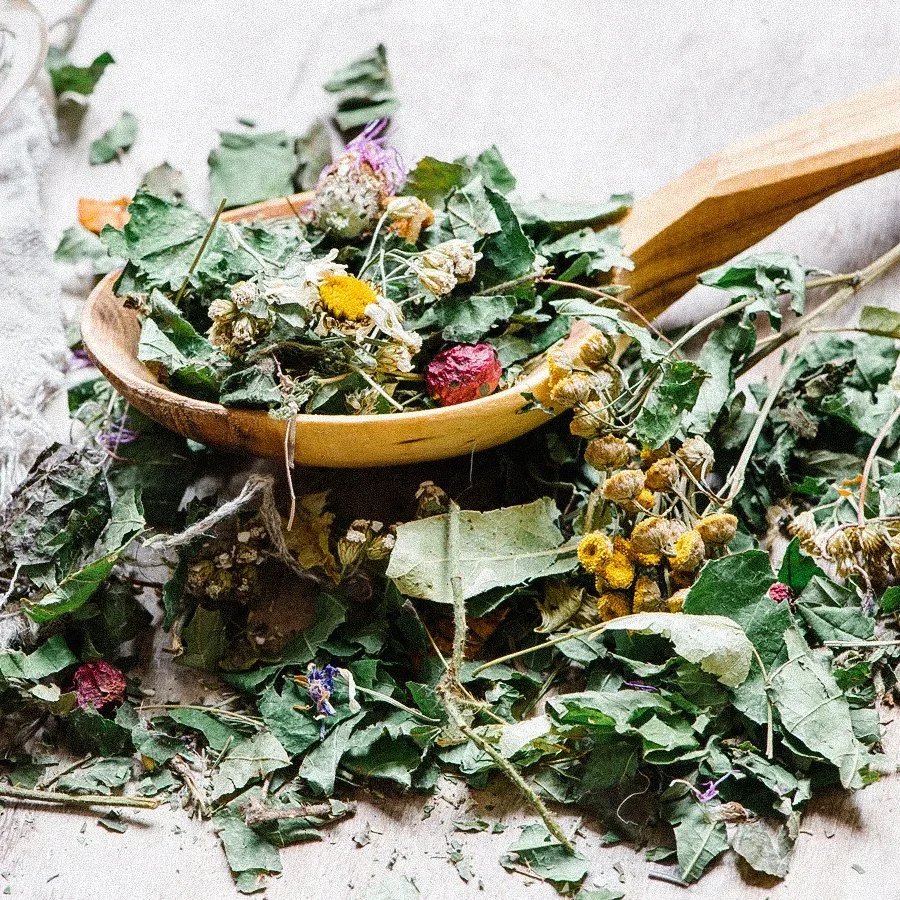
Herbal teas have been one of the most important applications of traditional herbalism for hundreds of years. Hot water helps release the valuable ingredients so that they can be easily absorbed by the body. Each herb represents a unique complex of active ingredients, sometimes combining hundreds of individual compounds. We select only the highest quality herbs from the best terroirs around the world, either from certified organic cultivation or wildcrafting. Our farms are often small, passionate family-run businesses with a long history of cultivating and processing the highest quality herbs and wild plants.
The finest, most revered teas, sourced directly from elite single estates located across the world's most pristine terroirs – nurtured through sustainable agriculture that respects both earth and artisan. For this reason, with very few exceptions, we offer solely certified organic or strictly pesticide-free teas. Driven by this guiding principle and supported by a dedicated, international team of tea experts, Yoshi En is committed to honoring centuries of tea culture while curating the absolute apex of global tea and high-end teaware. About Yoshi En.
Lemon balm (Melissa officinalis) is a widely used and popular medicinal herb. Whether in tea, on desserts or in lemonade, it always makes a great addition. Originally from the Mediterranean region, it was planted in monastery gardens in the Middle Ages and now also grows wild in sunny but sheltered places, especially in wine-growing areas.
The hawthorn (Crataegus) is a stone fruit belonging to the Rosaceae family. It is mainly found in North America, but some of the 300 species can be found in Europe. As a protective shrub, the hawthorn was often used as a field border and many animals thrive around and in it. It was known for its effects among ancient Germanic tribes and was revered for its nutritious berries.
Horsetail (Equisetum arvense) has been used since ancient times as a natural remedy and contains a whole range of valuable phytochemicals.
Hibiscus (Hibiscus L.), also known as red mallow or African mallow, is native to the tropics and subtropics. Its cooling character has given it a firm place in traditional herbalism, and it has also become irreplaceable ingredients in classic fruit teas.
The stinging nettle (Urtica dioica, Urtica urens) deserves a place of honour in the world of medicinal herbs. Persistent, undemanding and effective, it thrives worldwide except in Antarctica. It grows readily in the vicinity of humans, and should not be missing from a herbal mixture.
The leaves of the mulberry tree (Morus Folium L.) have been an important crop plant since ancient times, and not just in Asia. Originally they were native to the temperate and subtropical regions of the north outside of Europe. The tree was already widespread in Europe in antiquity and was used in a variety of ways.
The passion flower (Passiflora incarnata), native to Central and South America, made its way from the Suptropics to the colder parts of Europe and came to Europe as an ornamental plant. Its 5 scars are venerated in the Christian faith as the 5 wounds of Christ. While the indigenous tribes of the Americas mainly used the roots, the Europeans discovered the soothing effect of the herb.
The rose (Rosa centifolia) is a true Persian; Iran has the most rose varieties today. We owe today's rose diversity in Europe to Charlemagne, who initiated the cultivation of the rose as a fragrant and useful plant. It is not merely a symbol of love; for both the Greeks and the Chinese held its qualities in high esteem.

PL-EKO-01
Nicht-EU-Landwirtschaft
Pour 250ml boiling water (100°C) over 2 tsp of tea (5g) and infuse for 3-5 minutes. Enjoy 3 times daily.
Shake well before each brew to thoroughly and evenly mix the herbs.
100% biodegradable and compostable (starch, cellulose, paper)
The ideal teapot for herbal tea is a large glass or porcelain teapot with a strainer.
For millennia, communities worldwide have harnessed the natural potency of plants and whole foods to support daily vitality and well-being.
Our mission is to stay as close as possible to this ancient wisdom.
We operate according to a single principle: in every formula we craft, we pursue the utmost standards of quality, purity and transparency. This reflects our True Clean Label philosophy. We pursue this ideal at every level, from selecting high-quality raw materials that are as pure as possible, through gentle processing, to filling, with meticulous dedication and attention to the finest detail.
More about Sunday Natural.


