
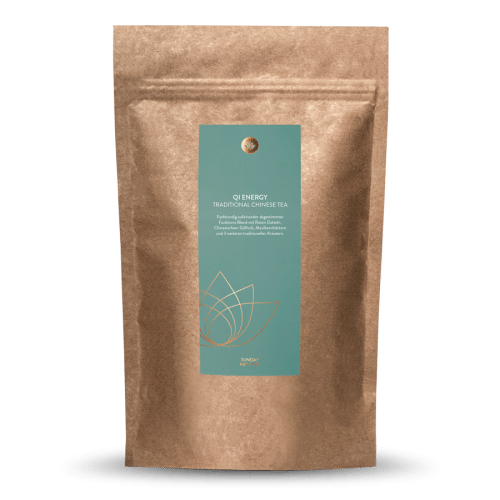
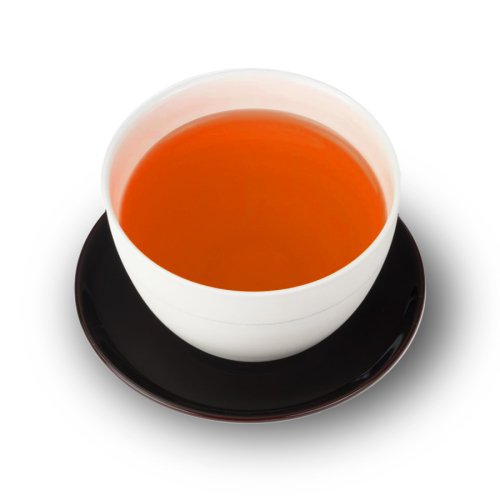



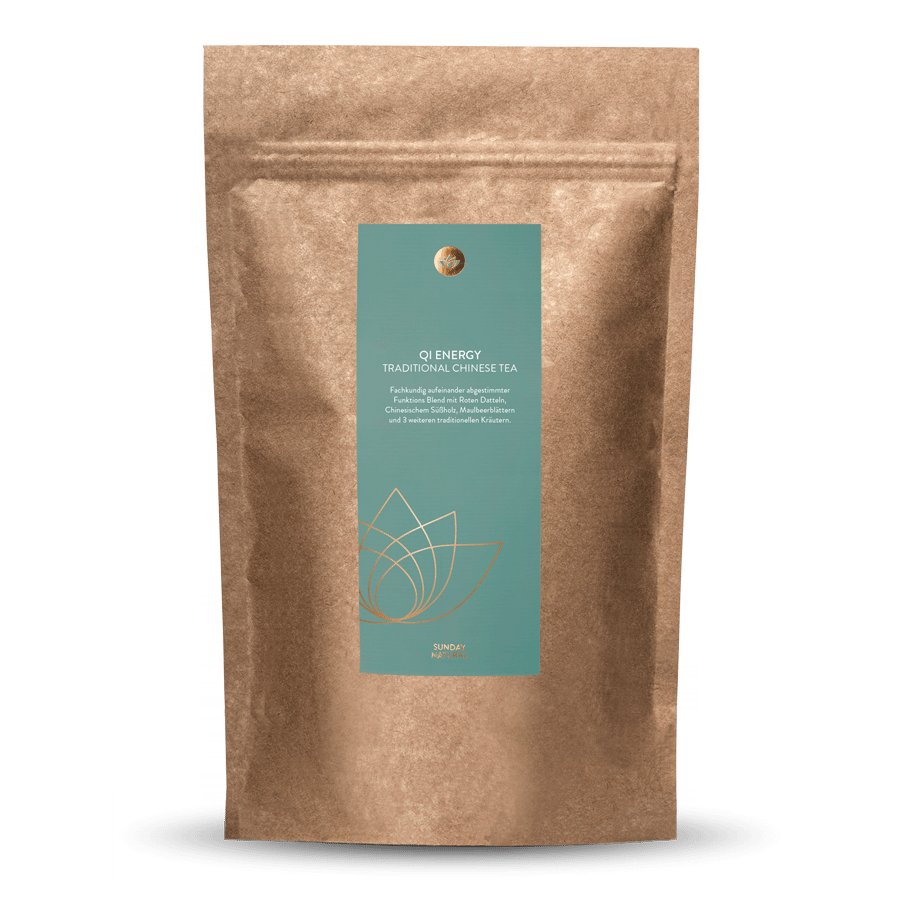
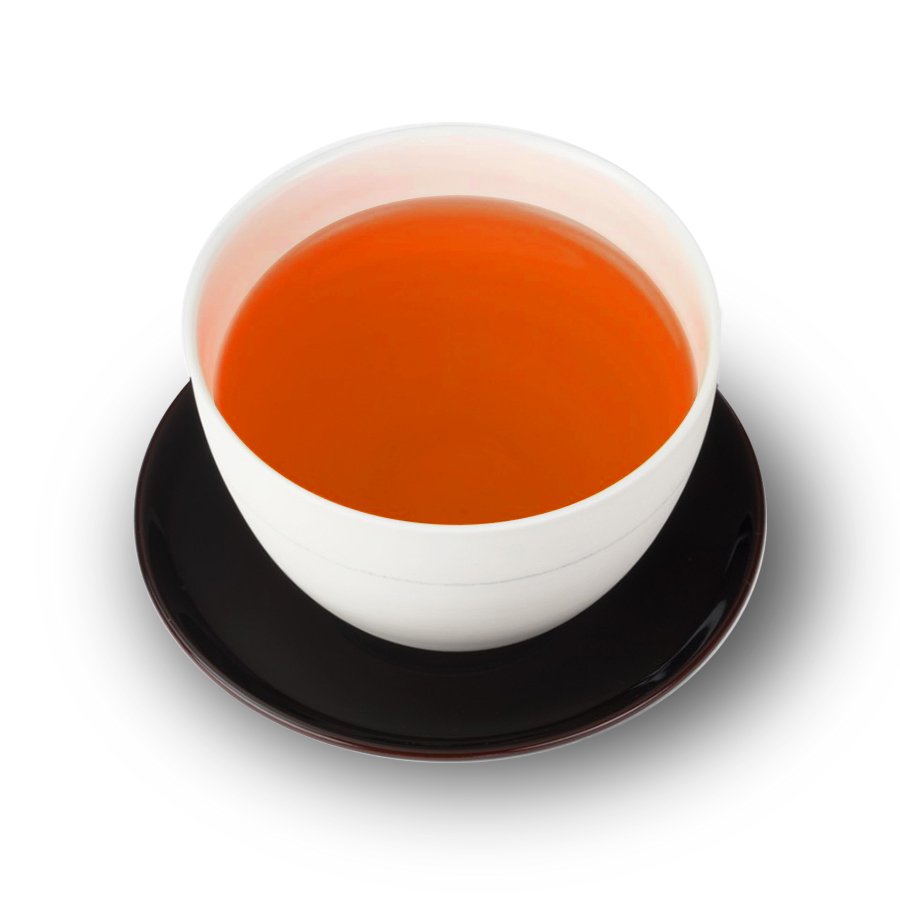
A highly potent herbal tea blend with fine Chinese black tea, the Chinese liquorice provides a sweet flavour base while the goji berries give rise to fruity notes reminiscent of stone fruit such as plum.
Qi EnergyTraditional Chinese Tea
Invigorating herbal tea blend with Chinese black tea, red date, ginseng, goji, liquorice and mulberry leaves. Aromatic, sweet and alkaline, the premium, handpicked ingredients are selected according to tried and tested Chinese recipes.
- Finely tuned mixture based on traditional Chinese recipes
- Handpicked herbs from small, regional farms
- Rich in valuable plant and bitter substances from herbs, blossoms and roots
- Cultivation without artificial fertilisers and pesticides
| Character | Potent, delicately sweet and fruity, balanced |
| Ingredients | Black Tea, Red Date (28%), Chinese liquorice (13%), Mulberry leaves (7%), Ginseng, Goji berries. |
| Cultivation | Cultivated without artificial fertiliser or pesticides |
£13.90
Character
Black Tea
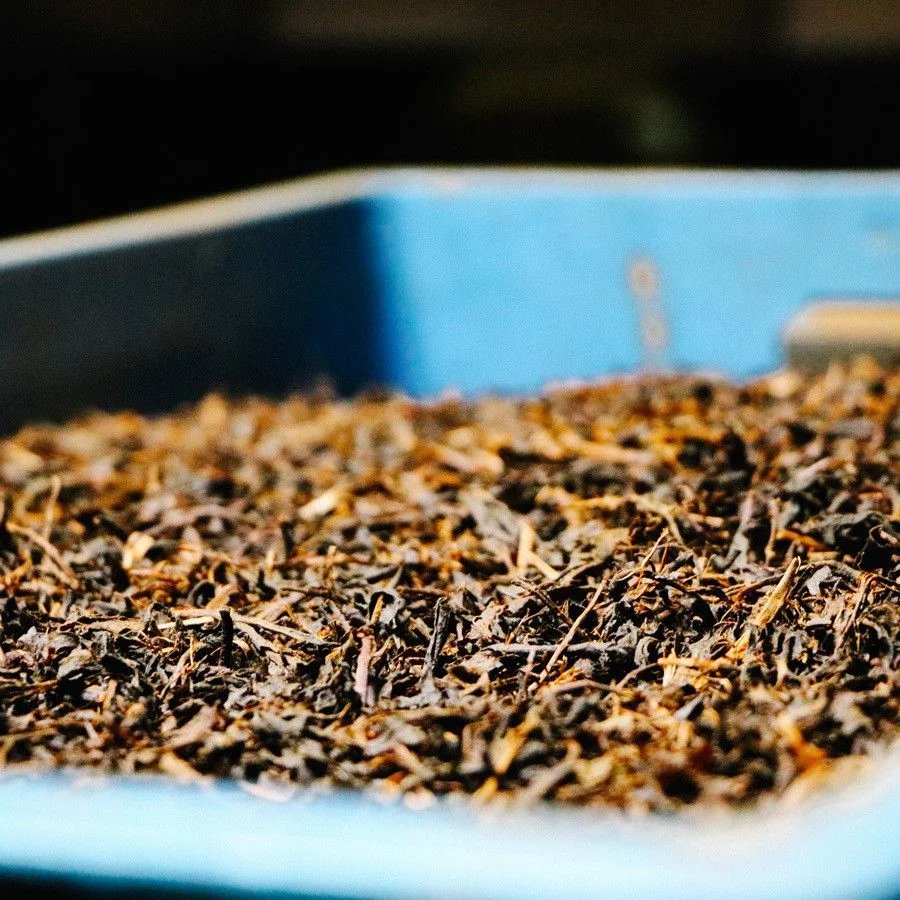
Black tea is the most oxidised form of tea. Unlike green tea, where the oxidation of the leaves is stopped with heat after they've been harvested and withered, black tea leaves are thoroughly rolled, which breaks open cell walls and exposes the enzymes responsible for oxidation. During this process, the leaves change from green to black and a full-bodied and broad aroma develops. When brewed, the tea is often orange or red, which is where the Chinese name for this tea (hong cha, meaning "red tea") comes from.
Yoshi En
World's Finest Organic Teas
The finest, most revered teas, sourced directly from elite single estates located across the world's most pristine terroirs – nurtured through sustainable agriculture that respects both earth and artisan. For this reason, with very few exceptions, we offer solely certified organic or strictly pesticide-free teas. Driven by this guiding principle and supported by a dedicated, international team of tea experts, Yoshi En is committed to honoring centuries of tea culture while curating the absolute apex of global tea and high-end teaware. About Yoshi En.

Contents
Red Date
Ziziphus jujuba (紅棗) known as red date or jujube in English, is native to the mountains, growing at altitudes of up to 1700m. From China the red date spread quickly through human hands to Korea and Japan, before beginning its journey to Asia Minor and Southeast Europe on the old trade routes. Today it can also be found growing in Sudan, Brazil and the southern USA. This fruit was mentioned in the Shennong writings as far back as 300 BC, and has been included in European herbal books since the 16th century.
Liquorice
The liquorice root (Glycyrrhiza glabra) has been with humanity for a long time. In ancient Egypt, liquorice had already been consumed as a tea drink, and in ancient Rome there were the first liquorice sticks. Liquorice was also popular in the Middle Ages; Napoleon Bonnaparte is said to have always carried liquorice with him. Native to Western Asia and the Mediterranean, this perennial plant can grow up to 150 cm high. Only the fresh roots are harvested in autumn.
Mulberry Leaf
The leaves of the mulberry tree (Morus Folium L.) have been an important crop plant since ancient times, and not just in Asia. Originally they were native to the temperate and subtropical regions of the north outside of Europe. The tree was already widespread in Europe in antiquity and was used in a variety of ways.
Ginseng
Red or Panax ginseng (人蔘) originates from Northeast China and Korea, where the plant's roots have been used for centuries. The mature roots contain a particularly large number of saponins, specifically ginsenosides, and in traditional Chinese medicine are considered a tonic, which is why they are often referred to as a "power root". Due to the global popularity of genuine Panax ginseng, it is almost extinct in the wild and primarily exists as a cultivated plant. After harvesting, the roots of Panax are treated with steam to preserve the valuable ingredients. In the process, the root turns red and becomes more resistant, and other active substances are produced, such as maltol.
Goji Berries
Lycium barbarum (枸杞) or the common boxthorn, bears the fruit of the goji berry. Its homeland is believed to be somewhere between Southeast Europe and China. Cultivation began in China more than 3000 years ago, and the berry can be found in the "Classic Book of Chinese Herbs" from this time. The goji berry itself is a true all-rounder and has quickly joined the ranks of superfoods.

Preparation
Brewing Guide
Pour 300ml boiling water (100°C) over 2 tsp of tea (5g) and infuse for 3-5 minutes. Enjoy 3 times daily.
Shake well before each brew to thoroughly and evenly mix the herbs.
Packaging
100% biodegradable and compostable (starch, cellulose, paper)
Recommended Teapot
The ideal teapot for herbal tea is a large glass or porcelain teapot with a strainer.
Sunday Natural
Our Philosophy
For millennia, communities worldwide have harnessed the natural potency of plants and whole foods to support daily vitality and well-being.
Our mission is to stay as close as possible to this ancient wisdom.
We operate according to a single principle: in every formula we craft, we pursue the utmost standards of quality, purity and transparency. This reflects our True Clean Label philosophy. We pursue this ideal at every level, from selecting high-quality raw materials that are as pure as possible, through gentle processing, to filling, with meticulous dedication and attention to the finest detail.
More about Sunday Natural.