


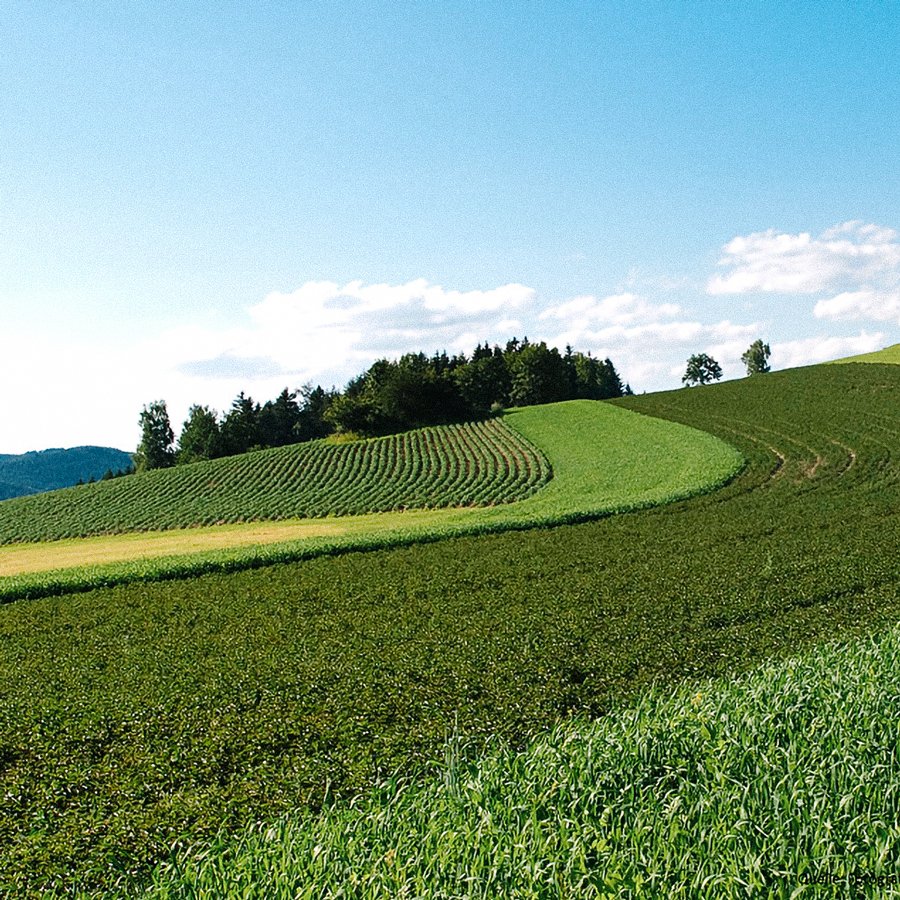
All our herbs are sourced from select traditional farms of which some have long family traditions. These small farms are all located in natural areas shielded from pollution and other contaminants. Our partner farms in Tuscany, Italy, are furthermore regional pioneers in sustainable cultivation. Our orthosiphon leaves are sourced directly from their place of origin, namely Indonesia, where they grow under optimal conditions. Other herbs sourced from the alpine foothills of Austria also benefit from the conditions of their natural habitat.
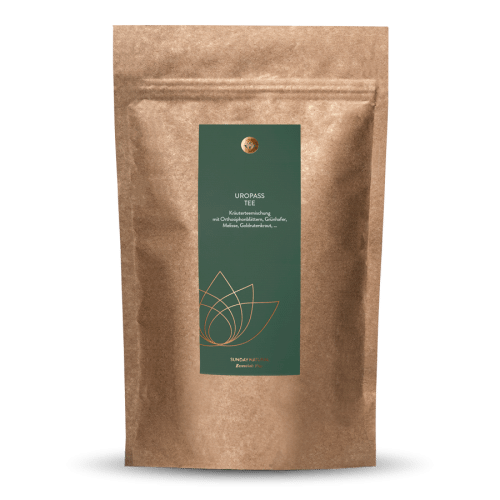
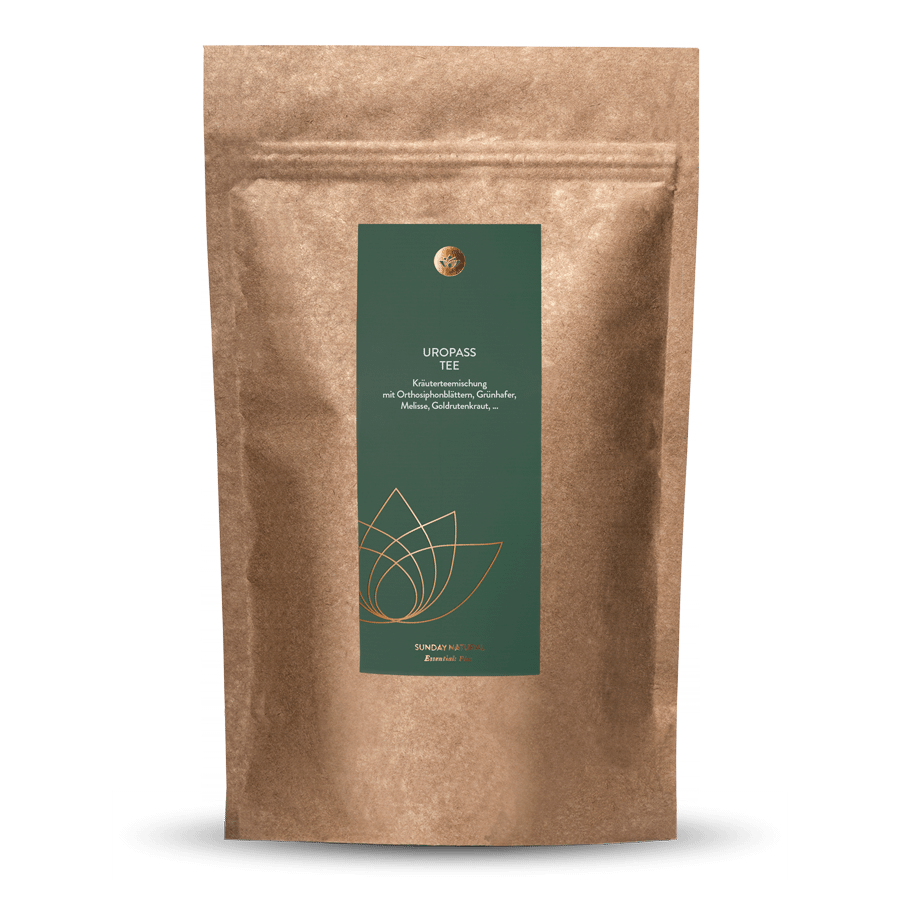
Uropass Tea
Pesticide-Free
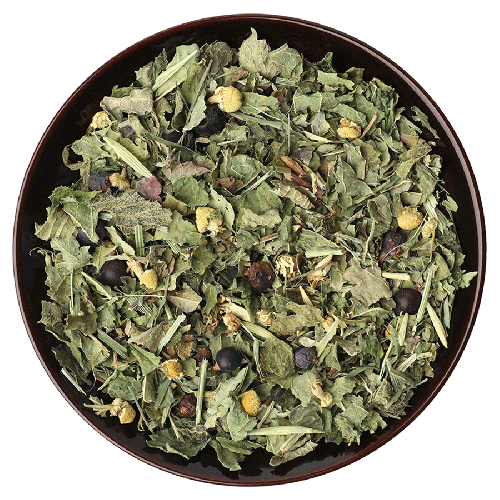
Our Uropass Tea Blend with stinging nettle, balm, bearberry, green oats, orthosiphon, passionflower, valerian, goldenrod, juniper berries and camomile. Hand-selected herbs: wild-grown as well as from pesticide-free cultivation on traditional, regional farms. Carefully formulated for optimal effect. High content of valuable plant compounds. 150g
- Special tea blend to support the bladder
- Carefully formulated for optimal effect
- Hand-selected herbs from top farms
- From traditional, regional tea farms
- High content of valuable plant compounds

£14.90
150g
£14.90
Tea Farm
Yoshi En
Premium Organic Teas
Our comprehensive portfolio focuses on organic, single-origin teas sourced directly from renowned farms. We believe in creating partnerships with farmers who share our values and are committed to sustainable, responsible tea cultivation. Thanks to these strong relationships our exciting range is constantly growing and evolving. As an international team of dedicated and passionate tea experts, we are committed to preserving centuries-old tea culture while ensuring it remains relevant and continues to bring joy in the present. About Yoshi En.

Contents
Stinging Nettle, Balm, Bearberry Leaves, Green Oats, Orthosiphon Leaves, Passionflower, Valerian, Goldenrod, Juniper Berries (Slightly Crushed) & Camomile
Stinging Nettle
For a long time, nettle was one of the most underestimated herbs and has only recently been receiving increased interest again.
Lemon Balm
Lemon balm (Melissa officinalis) is actually a southern European plant. However, due to its wide range of uses, it was cultivated throughout Europe early on as a popular flavouring herb. In the Middle Ages, it was cultivated in every monastery garden because it was considered exceptionally valuable and indispensable.
Bearberry Leaves
Bearberry (Uvae ursi folium) is an evergreen dwarf shrub that belongs to the heather family, like gooseberry and blueberry.
Valerian
Valerian (Valeriana officinalis) is one of the best-known native plants and has been highly valued for its diverse uses since ancient times. This is also reflected in its name: the botanical name of true valerian, Valeriana officinalis, is derived from the Latin word "valere," which means "to be healthy."
Green Oats
Green oats (Avena L.) are made from unripe, green oats that are harvested before full bloom. Green oats are very alkaline and contain many phytochemicals.
Orthosiphon Leaves
While some other herbs have a history of use of over a thousand years, orthosiphon (cat's whiskers) was only introduced to Europe in the 1970s. However, in its countries of origin – Indonesia and Australia – orthosiphon has been appreciated for centuries.
Passionflower
The passionflower has been used in the Americas as a herb and food by indigenous peoples for centuries. In Europe, the plant has been highly regarded for its extraordinary beauty and other properties ever since a Spanish doctor brought the flower back in 1569.
Goldenrod
The herb of the European goldenrod (Solidaginis virgaureae herba), a plant that has been known for centuries.
Juniper Berries
Juniper was already described in ancient herbal medicine.
Camomile
Chamomile is one of the most well-known native plants and has been an integral part of herbal medicine for centuries. Chamomile flowers have a valuable combination of different phytochemicals.

Cultivation & Processing
All ingredients are cultivated according to natural methods and completely without the use of pesticides and artificial fertilisers.
Austrian Herbs
The mountain herbs grow at elevations of 500-900m in the gently rolling foothills of the alps, far from industry and major highways. Herbs have flourished here since the 13th century, and have long been cultivated using traditional methods. The herbs grow in small fields according to organic standards and completely without the use of chemicals.
Cultivation is largely only possible by hand, and the harvest is performed in part by hand and in part with machinery. Due to the climatic conditions, irrigation is not necessary. Within 1-2 hours after harvest, the herbs are gently dried in a cabinet dryer at 40°C for 12-24 hours. Thereafter the herbs are roughly cut and packaged. The dried herbs are not sprayed, light-treated, or processed further.
The climatic conditions of the Pre-Alps strongly influence the quality of the herbs. The main factors affecting the growth of the herbs are the mild summers with cool nights and harsh winters (highland climate) that are paired with consistent precipitation and humidity the whole year round. The careful selection of herbs, an advantageous location with granite soil, gentle processing, as well as strict standards ensure that the herbs from these farms are of top quality. The resulting herbs are incredibly rich in taste, nutritious, and contain a high concentration of essential oils as well as phytochemicals.
Italian Herbs
Our partner farms in Tuscany are pioneers of biodynamic and sustainable agriculture in Italy. The farms combine fields for farming with forested land and meadows in unique ways that allow for wild-growing and naturally occurring herbs. The sustainable cultivation methods as well as the especially mindful and gentle processing mean that almost everything is done by hand. Expertise gained over the years in cultivating and harvesting herbs results in products with the best possible nutritional quality as well as noticeably stronger aromas.

Preparation
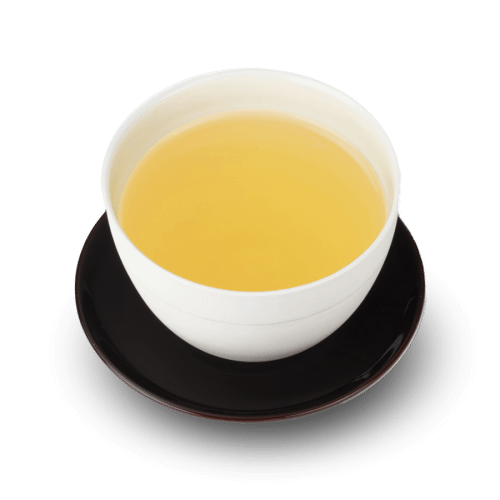
Steep 2 teaspoons (5g) in 250ml of freshly boiled water (100°C) for 3–5 minutes. Recommended three times daily.
Shake the package thoroughly before each use to ensure a perfect blend of the herbs.
Recommended Teapot
Recommended Storage
Recommended Storage
The ideal storage is in an airtight, internally coated metal tea caddy.

Laboratory Tests
The purity of our formulas is important to us. This is why we have both our raw ingredients as well as our finished products extensively tested by independent laboratories to confirm purity and active ingredient content. Here, we have provided the results of some of the tests carried out on this product.


Sunday Natural
Our philosophy
For thousands of years, cultures all over the world have been using a variety of plants and nutritious foods to naturally foster vitality and good health.
With our products, we try to emulate this ancient wisdom as much as possible.
Consequently, our philosophy is simple: we strive to meet the highest standards of quality and purity in every product we produce, with a focus on organic and natural ingredients.
We follow this philosophy with meticulous care on all levels, down to every last detail.
Distributor:
Yoshi en GmbH
Schoeneberger Str. 21A
10963 Berlin