

- Sunferol® D3 as a registered raw material of Sunday Natural Products GmbH
- Unique purity and laboratory-tested active ingredient content
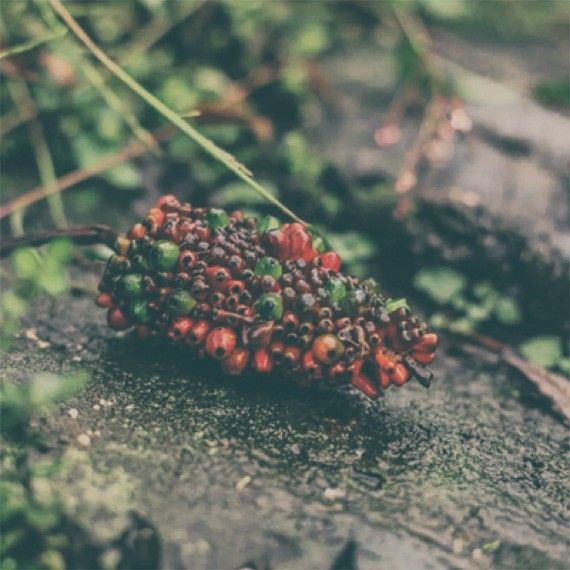
- Premium active ingredient quality: pure vegan vitamin D3 from a plant-based source (pine oil)
- Currently the most sustainable plant-based source of vegan vitamin D3
- Regularly lab-tested for solvent residues; values are far below legal limits
- No hidden additives: pure vitamin D in MCT oil + vitamin E
- Premium gum arabic as a high-quality natural bulking agent from cultivation without synthetic plant protection products
- High-quality MCT coconut oil
- Vitamin E from sunflowers as a naturally occurring and biologically active form of vitamin E (D-alpha-tocopherol)
Vitamin D3 3000 IU High-Dose, Vegan
Summary
-
x
Final product price