Vitamin C is involved in numerous redox reactions as an antioxidant and cofactor, thus influencing numerous processes in the human body, such as energy metabolism and the immune system, and providing antioxidative protection to cells. It is also involved in the formation of collagen, the structural protein found in skin, cartilage, bones and blood vessels, as well as in the synthesis of hormones.
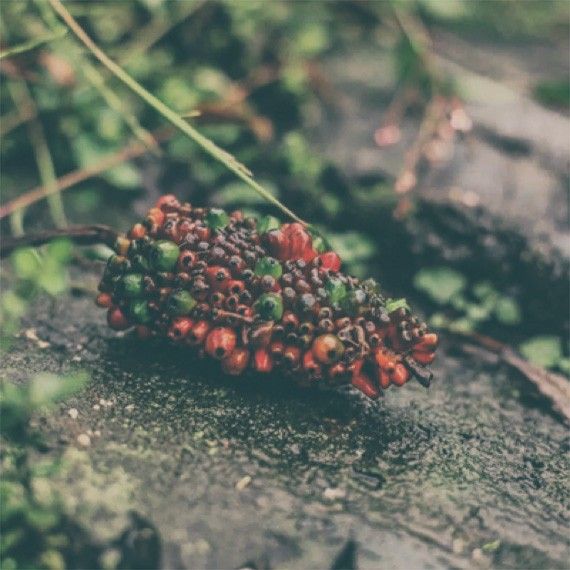
High concentrations of vitamin C are found naturally in fresh fruits, vegetables and berries such as camu camu, sea buckthorn berry, acerola cherry, rosehip, black currant, kale, parsley, kiwis and citrus fruits, among others.
Vitamin C, also known as ascorbic acid, has several important functions.
These include:
- helping to protect cells and keeping them healthy
- maintaining healthy skin, blood vessels, bones and cartilage
- helping with wound healing
The National Health Service (NHS) recommends a daily intake of 40mg of vitamin C for adults aged 19 to 64. However, it is important to note that individual vitamin C needs may vary according to age, dietary habits, genetics and other factors.